
Timely Teeth: How Long Do Dental Implants Take?
March 3, 2025
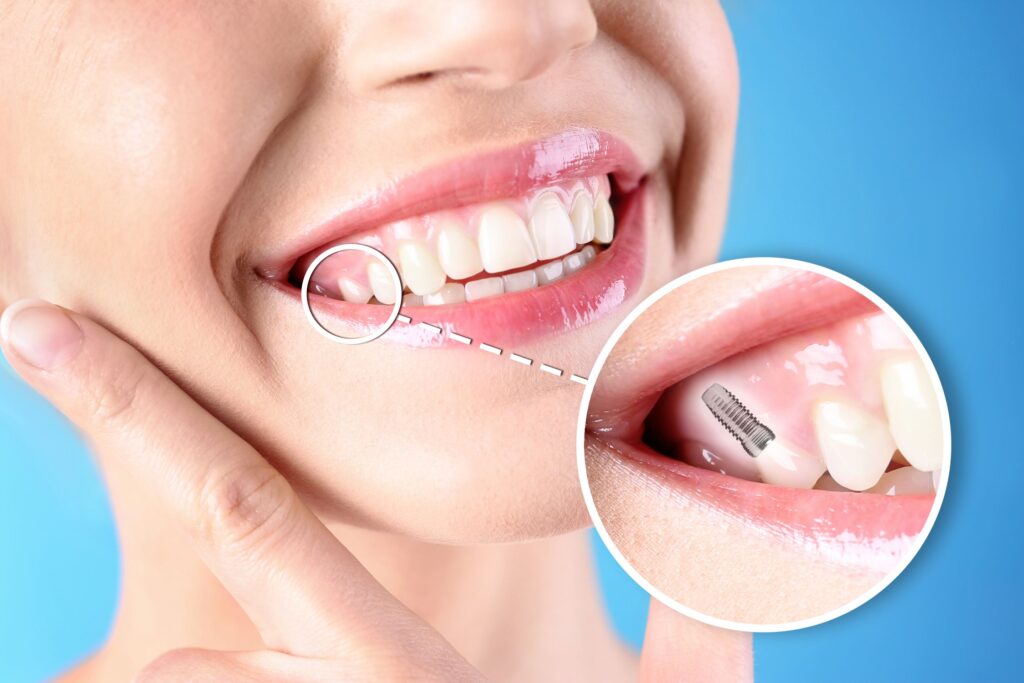
Did you know that your jawbone starts thinning after tooth loss? The roots of your teeth stimulate new bone growth every time you bite down, and when they go missing, you can lose up to 25% of the surrounding mass within the first year.
Dental implants are the only replacement teeth that prevent this degeneration because they include a titanium rod surgically embedded in your jaw. However, many patients have questions about being fitted with these restorations, like how long it usually takes. Continue reading to learn more about what to expect!
How Long is Dental Implant Surgery?
Before you can get dental implants, your dentist must examine your mouth to ensure you’re a good candidate. They’ll look for signs of issues that might interfere with the results, like cavities or gum disease, and address those before proceeding.
They’ll also measure your jawbone to ensure it’s thick enough to support your restorations. If their initial findings confirm that it’s too thin, don’t lose hope! Sometimes, an additional bone graft procedure can bulk it up enough to move forward, but it can take several months to heal first.
Once everything checks out, your provider will schedule your procedure. Typically, the surgery itself takes an hour or two, though it can be more or less depending on your unique circumstances. For instance, patients receiving multiple prosthetics can expect a longer procedure.
How Long Does it Take to Recover from Dental Implant Placement?
Many patients don’t realize that it can take several months to heal after dental implant surgery. Once the titanium support rod is embedded in your jaw, your mouth must generate enough new bone growth to fully encompass and fuse with the metal material in a process called osseointegration. Based on your unique circumstances, this can take anywhere from three to six or more months.
Also, it’s normal to experience some mild to moderate aches and inflammation immediately following your procedure. These symptoms generally peak around the third day following your appointment, then gradually begin to subside. Taking over-the-counter pain medications like ibuprofen or Tylenol is usually safe to reduce throbbing and swelling at the implant site.
Typically, your provider will ask that you stick to soft foods while your gums heal to avoid irritating your already tender teeth and gums. Popular options include eggs, mashed potatoes, yogurt, pudding, and applesauce.
If you still have unanswered questions about what to expect from the dental implant process, your consulting your provider directly is the best way to get accurate information that takes your current dental condition into account!
Meet the Author
Dr. Chris Johnson enjoys establishing lasting relationships with patients in order to help them build and maintain their happiest, healthiest smiles. He earned his dental doctorate at Texas A&M College of Dentistry and has since completed continuing educational courses to further his skillset, including the Implant Pathway Implant Continuum. As a result, he can help with everything from basic preventive services to more complex treatments, including dental implants. He combines a compassionate approach with state-of-the-art technology to improve patient comfort while delivering beautiful, durable restorations intended to last. If you need to replace lost teeth, you can request an appointment on the website or call (713) 229-8100.
No Comments
No comments yet.
RSS feed for comments on this post.
Sorry, the comment form is closed at this time.